
Who owns what a model learned?
Every modern generative model is trained on huge collections of text, journalism and literature. The legal fight isn't really about the model's answers — it's about how the model was trained and who owns the knowledge it absorbed.

There's one distinction you'll see courts lean on again and again, and it's the spine of this whole lesson: they increasingly treat the training of a model differently from how the data was acquired. Learning from a work can be lawful even when the way the work was obtained is not.
Lawful acquisition + training sits on one side. Piracy sits on the other. Most of the hard cases are really arguments about which side a given fact pattern falls on.
By the end of this lesson
- 1Separate acquisition, training and output when spotting the copyright question in an AI workflow.
- 2Use fair use and market substitution to explain the competing arguments.
- 3Explain the Bartz v. Anthropic ruling and settlement without turning it into a universal “training is legal” rule.
- 4Tell allegations and advocacy apart from rulings in the NYT litigation.
- 5See why dataset provenance is becoming the template for all scraped data.
Creators vs. developers
Creators say…
Feeding our work into a model at scale is unauthorized exploitation. No one asked us; the model competes with us using what it took.
Developers say…
Training is transformative learning — the model studies patterns, it doesn't republish the book. That's classic fair use.
Two ideas decide most of these fights:
Pulls toward fair use — or away?
Drag each factor into the pull it creates. This is the intuition behind the four-factor fair-use test.
→ Toward fair use
→ Against fair use
Drag a chip into a bucket — or tap a chip, then tap a bucket.
Which factor most weakens a fair-use defense?
Three phases of the dispute
The conflict moved through three stages. Put them in the order they actually happened — click them from first to last.

Click the earliest phase first.
Bartz v. Anthropic
This is the landmark outcome so far, and it drew the key line in plain view. Judge Alsup split the question in two:

That unauthorized acquisition created serious liability and drove a historic $1.5 billion settlement — the largest copyright class settlement in U.S. history, finalized in July.
Which side of the line?
Sort each fact pattern by where it falls on Bartz's distinction: lawful acquisition + training, or unlawful acquisition.
✓ Lawful acquisition + training
✕ Unlawful acquisition
Drag a chip into a bucket — or tap a chip, then tap a bucket.
In Bartz v. Anthropic, what did Judge Alsup rule was not protected?
The New York Times v. OpenAI & Microsoft
This is the most-watched case still live. The publishers say their investigative journalism was ingested without permission; the tech firms say it's fair use.

Cross-motions for summary judgment were set for October 21. The DOJ filed a letter backing the fair-use defense, which the publishers are fighting. Federal courts are weighing technical evidence, market substitution (does AI output replace the original?), and fair-use defenses.
The provenance template
Bartz's split — lawful acquisition + training = fair use, but piracy = infringement — is becoming the template for how courts treat scraped data. And it reaches every kind of generator, not just text models: images, audio, code.
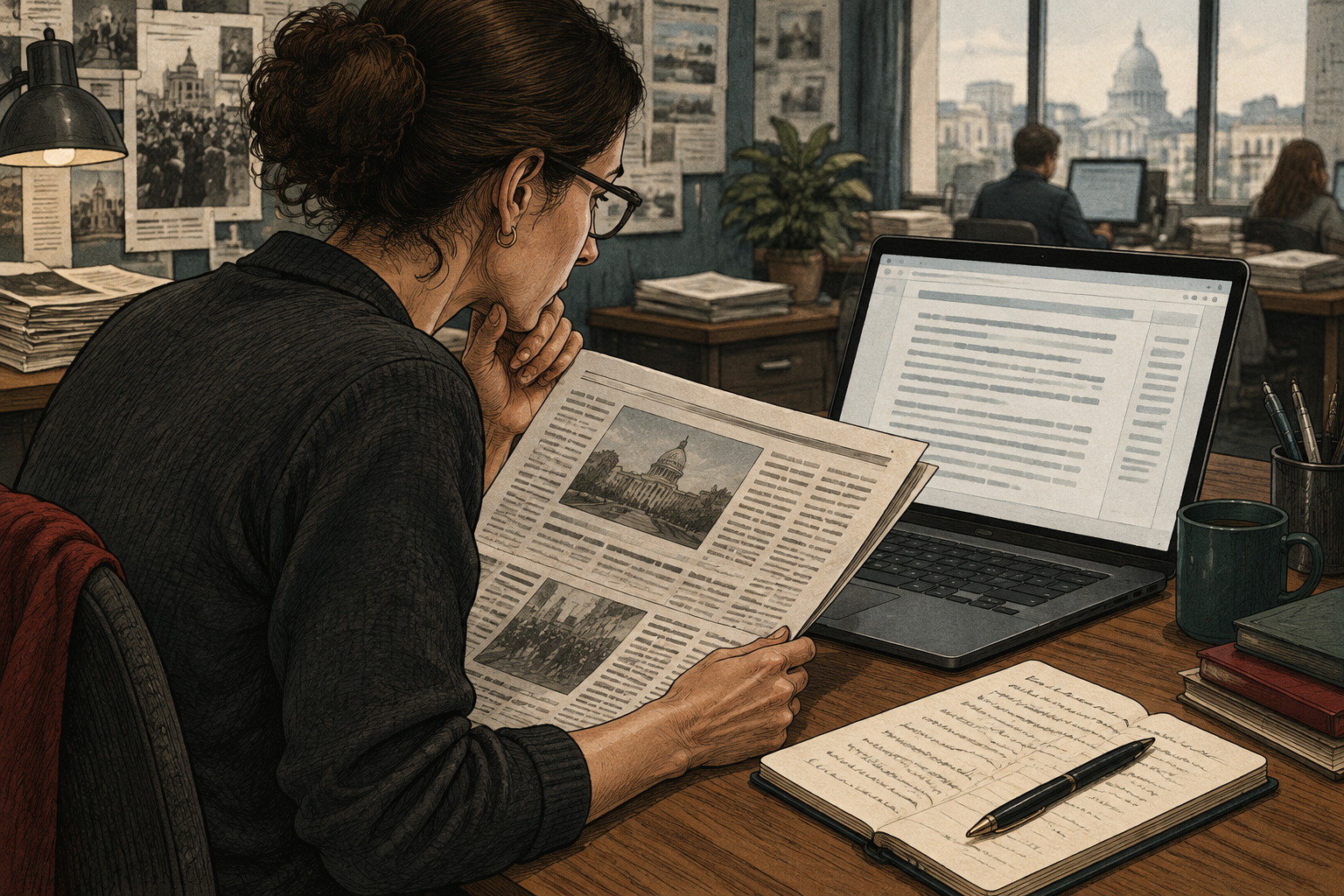
That's why dataset provenance review — proving where training data came from and how it was obtained — has become a practical compliance layer, alongside disclosure rules. With many lawsuits still active and interpretations competing, copyright law here is still contested and evolving.
Right now, the decisive question is almost always: lawful acquisition + training — or piracy?
Knowledge-check score
Fair use — a U.S. defense allowing some unlicensed uses, especially transformative ones. Transformative use — adds new purpose/character rather than replacing the original. Shadow libraries — pirate repositories of copyrighted works. Market substitution — whether an output competes with/replaces the original. Dataset provenance — the record of where training data came from and how it was obtained.